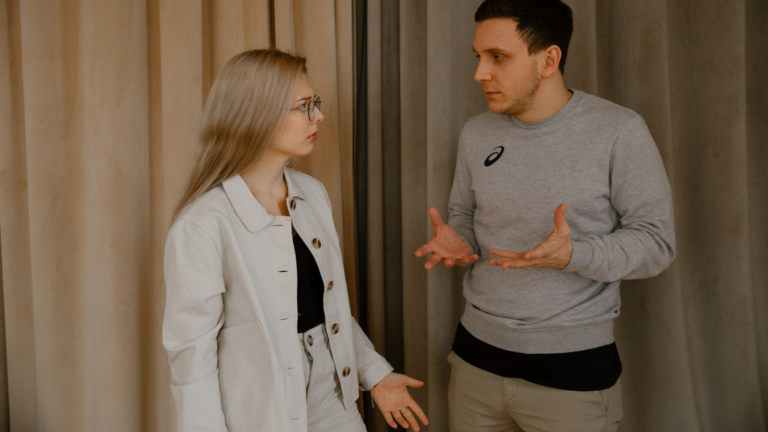

Couples decide to see a therapist when they feel stuck—whether it’s due to recurring arguments, stress, life transitions, or simply a desire for deeper connection. As a result, arguments during a therapy session may arise.
Many people assume fighting is a red flag—but in couples therapy, it can actually signal progress.
Whether your arguments are frequent or heated, therapy gives you tools to turn clashes into opportunities for mutual understanding and growth.
Is It a Bad Thing If We Fight During Couples Therapy?
No, it is not bad to argue during a couples therapy session. In fact, it can be a positive sign—an opportunity to bring underlying issues or difficult topics to the surface. Arguing can reflect commitment to the relationship and can even spark meaningful change between partners.
Fighting itself isn’t inherently harmful; what matters is how you fight. Conflict is a natural part of any relationship, and learning to handle it constructively is what strengthens your bond. By expressing your feelings clearly and working through disagreements without causing lasting damage, arguments can become a catalyst for growth and deeper connection.
Arguing can feel scary, particularly for couples that don’t like to argue, but a professional relationship therapist will create a safe environment and intervene when necessary. Fighting during a couples therapy session allows your therapist to observe patterns, behaviors, emotions, and word choices in real time, turning conflict into a valuable opportunity for growth, understanding, and deeper connection.
10 Tips for Healthy Fighting During Couples Therapy
Healthy fighting allows partners to express their feelings openly, uncover underlying issues, and practice resolving conflict in a safe, guided environment.
Here are ten important tips to keep in mind for making these discussions productive and constructive:
1. Keep Respect at the Center
Disagreements can quickly turn destructive when disrespect enters the conversation. Avoid name-calling, sarcasm, or belittling, which erode trust and safety. Even in conflict, respect builds the foundation for repair.
2. Use “I” Statements
Express your feelings and needs from your own perspective rather than blaming your partner. Saying “I feel hurt when plans change suddenly” is far less confrontational than “You never stick to the plan.” This approach invites dialogue instead of defensiveness and arguing during a therapy session.
3. Avoid Scorekeeping
Healthy conflict is about resolving issues, not winning arguments. Let go of the need to be “right.” Let go of the need to be “right.” Instead, focus on finding solutions that strengthen the relationship rather than keeping track of who has the upper hand.
4. Take Breaks When Emotions Get Too High
If emotions rise too high, it’s okay to pause the conversation. A short break to breathe, calm down, and reflect can prevent hurtful words or actions. What matters is returning to the discussion when both partners are ready.
5. Listen to Understand
True listening means trying to see the issue through your partner’s eyes. Instead of rehearsing your rebuttal, focus on their words, feelings, and needs. This creates space for empathy and connection.
6. Validate Feelings
You don’t have to agree with your partner’s perspective to acknowledge that their feelings are real. Simple statements like “I can see this is really upsetting for you” can ease defensiveness. Validation communicates care and respect.
7. Avoid Absolutes
Words like “always” or “never” often exaggerate the problem and make your partner feel attacked. These absolutes close the door to constructive conversation. Instead, focus on the specific behavior or moment that’s concerning you.
8. Check Your Tone and Body Language
Communication is more than words; tone of voice and posture matter, too. Yelling, eye-rolling, or crossed arms can send a message of hostility even if your words don’t. When you argue, pay attention to both what you say and how you appear. Aim for calm, open, and respectful nonverbal cues.
9. Look for Common Ground
Instead of fighting to win, focus on finding solutions that serve both of you. Shared goals—like wanting to feel secure, loved, or understood—can become the foundation for compromise. This shift from competition to collaboration strengthens the relationship.
10. Repair After Conflict
Every fight should end with an effort to reconnect. A hug, an apology, or a small gesture of reassurance helps rebuild trust. Repair signals that while the argument mattered, the relationship matters more.
Bonus: Trust Your Therapist or Coach
The key to keeping the argument constructive during couples therapy is to trust the practitioner and listen to their guidance. A trained practitioner will help you navigate difficult conversations, provide perspective, and ensure that the discussion remains productive rather than destructive, turning conflict into an opportunity for growth and deeper understanding.
Fight Constructively, Grow Together
Arguing in couples therapy isn’t a sign that your relationship is failing—it’s a sign that you’re engaging, invested, and willing to grow together. The key is learning to fight in ways that are constructive, respectful, and focused on understanding rather than winning.
By applying these tips and embracing conflict as an opportunity for insight, couples can strengthen their bond, improve communication, and turn disagreements into lasting growth. Remember: in healthy relationships, how you handle conflict can matter more than whether conflict exists at all.
What is Relational Life Therapy (RLT)?
Relational Life Therapy is a unique, results-driven approach to relationship health. Unlike traditional therapy that focuses only on talking through feelings, RLT blends inner child work and family of origin exploration with coaching to create real, lasting change.
Here’s what makes RLT different:
- It helps uncover and heal deep-seated patterns, including those rooted in childhood trauma.
- It uses insights from neurobiology to help you move from reactive behavior to conscious, intentional communication.
- It gives couples the tools to handle conflict in a constructive way—transforming arguments from destructive battles into opportunities for deeper understanding and growth.
- It focuses on building authentic connections—starting with your relationship with yourself.
- It teaches practical tools and strategies you can apply right away in your daily life.
In short, RLT is about actionable transformation. Whether you’re working through recurring fights or wanting to prevent unhealthy patterns from taking over, RLT helps you resolve conflict in healthier ways and is known to produce lasting character change—fast.

How RLT Helps Manage Conflict
Unlike traditional therapy, RLT emphasizes relational patterns and emotional dynamics.
- Addresses Shame and Grandiosity – Partners learn to recognize patterns where one feels diminished and the other superior, reducing cycles of blame or defensiveness.
- Direct and Non-Neutral – Therapists intervene in unhelpful behaviors and rebalance power dynamics to prevent escalation.
- Faster, Deeper Change – By tackling conflict patterns directly, couples replace destructive arguing with constructive dialogue.
- Relational and Educational – Therapists model openness and teach tools for expressing frustration without contempt and listening without shutting down.
Couples therapy may feel scary to some who don’t like to argue, but a trained RLT practitioner will create a safe environment and intervene when necessary. Through these methods, RLT transforms conflict into a pathway for connection, understanding, and growth.
If you're seeking assistance, you may find sliding scale programs offered by the Relational Life Foundation, including affordable RLT couples therapy and Relationship Bootcamps to be beneficial.