

Is your relationship going through a rough patch? Are you struggling to communicate effectively or find common ground with your partner? In times like these, it’s crucial to explore new ways for healing and growth.
One powerful approach that has helped countless couples is Relational Life Therapy (RLT). In this article, we’ll go through the principles of RLT and provide practical tips on how you can use this therapeutic approach to save your relationship.
What is Relational Life Therapy (RLT)?
Relational Life Therapy, developed by renowned therapist Terry Real, focuses on the dynamics of relationships and aims to create profound, lasting change. Unlike traditional therapy that often delves into individual issues, RLT zooms in on the interactions between partners.
The core belief is that relationships are a dance, and by changing our steps, we can alter the dance itself.
Before getting deep into saving a relationship with RLT, it is important to know why you should choose Relational Life Therapy over Traditional Therapy.
Why RLT?
| 1. Lifelong Change: One of the distinguishing features of Relational Life Therapy (RLT) is its focus on fostering lasting change in individuals and their relationships. Rather than providing temporary solutions or quick fixes, RLT delves into the root causes of issues, aiming for transformative shifts that endure over time. By addressing core problems and encouraging personal growth, RLT helps couples develop the skills and insights necessary to sustain positive changes in their relationship dynamics.2. Swift Results: While RLT prioritizes lasting change, it is also designed to produce relatively swift results. The |  |
therapy’s structured approach, which involves identifying and addressing core issues early on, facilitates a more efficient therapeutic process.
By honing in on the most crucial elements affecting the relationship, couples can experience tangible improvements in a shorter time frame compared to more traditional therapeutic approaches.
3. Dramatic Transformations:
RLT is known for its potential to bring about dramatic transformations in relationships. By encouraging individuals to confront and address deep-seated issues in the presence of one another, couples often experience significant breakthroughs.
These transformations may manifest as a renewed sense of intimacy, improved communication, and a redefined understanding of each other. RLT recognizes the profound impact that genuine, sustained change can have on the overall well-being of individuals and their relationships.
4. Tackling Shame and Grandiosity:
In RLT these one-down and one-up relational stances are both seen as being based in contempt. In shame the feeling of contempt is directed at self, and in grandiosity it is directed at others. Contempt is often a deeply rooted and pervasive emotion, and can be a significant barrier to connection and personal growth. RLT addresses shame head-on, encouraging individuals to explore and understand themself and one another without judgment.
The therapy provides a safe space for open dialogue about both shame and grandiosity, allowing couples to work through these difficult emotional stances together. By dismantling the walls of contempt, and encouraging individuals to “step off the contempt conveyor belt”, RLT enables couples to create a more authentic and compassionate connection.
Note: Relational Life Foundation offers a free Community Conversation Series highlighting concepts within Relational Life Therapy. We even have a past Conversation on Shame Resilience, as well as Sliding Scale Relationship Bootcamps.
How to Save your Relationship with RLT?
Now that we’ve explored the Why RLT is one of the most effective therapeutic approaches, let’s discuss how you can apply these concepts in your own relationship:
1. Go After What You Want
In nurturing a relationship, it is imperative to first cultivate a strong foundation within yourself. This involves fostering healthy self-esteem and establishing clear boundaries.
Love is not only a feeling, but a conscious choice. Be thoughtful as you approach your partner, and do so with respect. Initiate conversations with requests rather than complaints. Gain your partner’s agreement to engage in a constructive dialogue, as their willingness to participate significantly enhances the likelihood of a successful exchange.
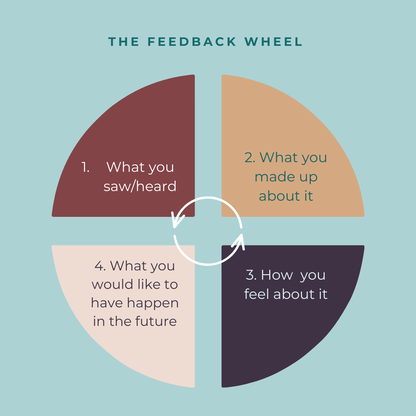 | 2. Speak to Make Things Better Effective communication is at the core of all relationships. Utilize “I” statements to express your feelings and thoughts, ensuring your communication remains focused and constructive. Use the RLT Feedback Wheel, a systematic approach that promotes clarity where both partners feel heard and valued:Ask your partner if now is a good time. Remember that your motivation to have this conversation is your care for them and for your relationship. Tell your partner: What you observed (saw, heard) (be specific)What you made up about it (meaning made)How you feel about itWhat you’d like to have happen in the futureLet go of the outcome. |
3. Listen to Understand
Listening is an art that goes beyond mere hearing. Set aside your own perspective and judgments, generating curiosity to understand your partner’s experience.
Put aside “objective reality” and verbalize your comprehension to show empathy. Confirm your understanding by checking in with your partner, reinforcing a connection built on mutual understanding.
4. Respond With Generosity (Relationship Ju-Jitsu)
Adopting an attitude of generosity can be transformative in resolving conflicts. Acknowledge your partner’s perspective and contribute as much positivity as possible.
Stay in your Functional Adult self by considering the actual costs of being generous, and the potential benefits of your actions within the relationship.
| 5. Cherish What You Have Appreciation and gratitude are potent forces in maintaining a healthy relationship. Learn to accept positive responses and build a practice of celebrating the aspects of your relationship that are developing. Redirect your focus toward what is going right, providing specific and positive feedback to encourage more of those behaviors. Support your partner in understanding your desires, creating an environment where love is not only remembered but actively nurtured. |  |
Journey of Healing through RLT
Saving a relationship with Relational Life Therapy tools is not a quick fix; it’s a journey of healing and growth. It requires commitment and a willingness to embrace change.
As you navigate the challenges and victories, remember that every step forward is a step toward a stronger, more resilient connection.
So, if you find yourself at a crossroads in your relationship, consider the transformative possibilities that Relational Life Therapy can offer, and take the first step towards saving your partnership.
Ideally, find a Relational Life Therapist to support you and your partner in this journey. We know therapy can be costly, and so in our efforts to support you, you will find a list of RLT practitioners willing to work on a Sliding Scale on our website.
Wishing you the best as you work toward healing and health.
Related Articles:
Long Distance Relationships with RLT
What is Sliding Scale Therapy
Hispanic Heritage Month